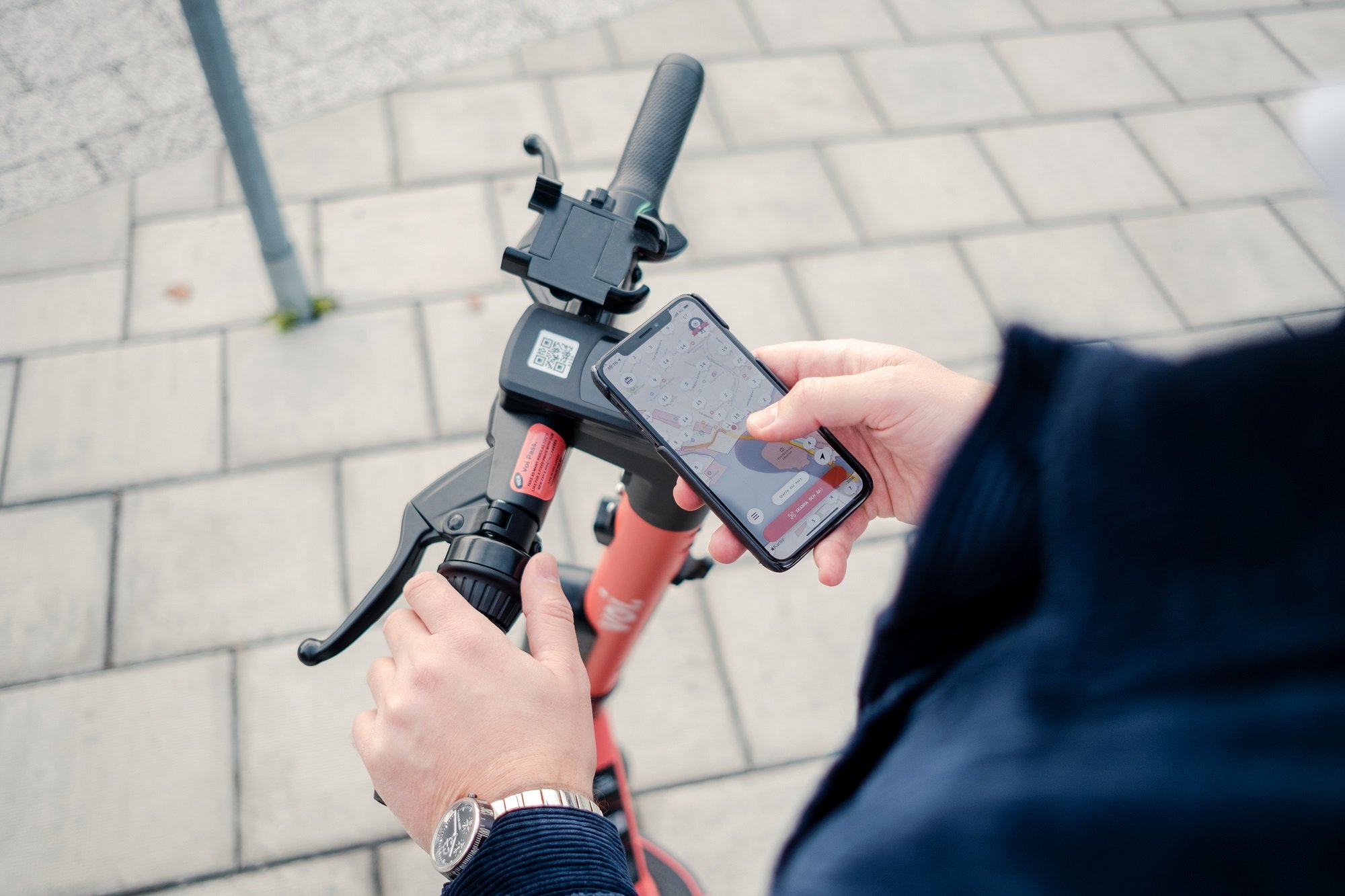
Ericsson and its communication service provider partner Arkessa will provide global connectivity for Voi’s micro-mobility services.
Arkessa is powered by Ericsson IoT Accelerator and utilises the platform to deliver automation features and meet high security demands.
Andrew Orrock, CEO at Arkessa, says:
“Voi is a true pioneer of connected micro-mobility solutions and is committed to helping cities meet their 2030 climate goals. Arkessa is absolutely delighted to have been selected as their cellular connectivity partner to support their global expansion.
With more than 50 percent of the world’s population living in cities, Voi’s vision of creating cities for living will change the urban landscape for the better and we are so excited to be a part of it.”
Voi’s iconic e-scooters have been cropping up in cities all over Europe—helping to reduce pollution and solve traffic problems:

The increasing global footprint of Voi has forced the company to seek a more seamless way of managing the connectivity of its fleet.
Fredrik Hjelm, CEO and co-founder of Voi, comments:
“We are excited to work with Arkessa to provide superior IoT connectivity in our scooters and ensure an even higher level of service for our riders and partner cities.
By leveraging Arkessa’s secure and resilient global network connectivity, Voi can continue to deliver fast, reliable e-scooter services as we expand into new markets and roll out our next-generation vehicles and IoT hardware.”
A single Voi e-scooter can connect to multiple service providers over its lifetime. The use of a single SIM to connect to different providers negates the need for physical replacements; saving both time and costs.
The use of cellular IoT connections is growing rapidly. According to Ericsson, the number of cellular IoT connections will grow nearly 3.5 times from 1.7 billion in 2020 to approximately 5.9 billion in 2026.
“Realising smart cities is closer than ever,” says Åsa Tamsons, Head of Business Area Technologies and New Businesses at Ericsson. “Micro-mobility solutions powered by high-speed cellular connectivity make city mobility more flexible and sustainable.”
 Interested in hearing industry leaders discuss subjects like this? Attend the co-located 5G Expo, IoT Tech Expo, Blockchain Expo, AI & Big Data Expo, and Cyber Security & Cloud Expo World Series with upcoming events in Silicon Valley, London, and Amsterdam.