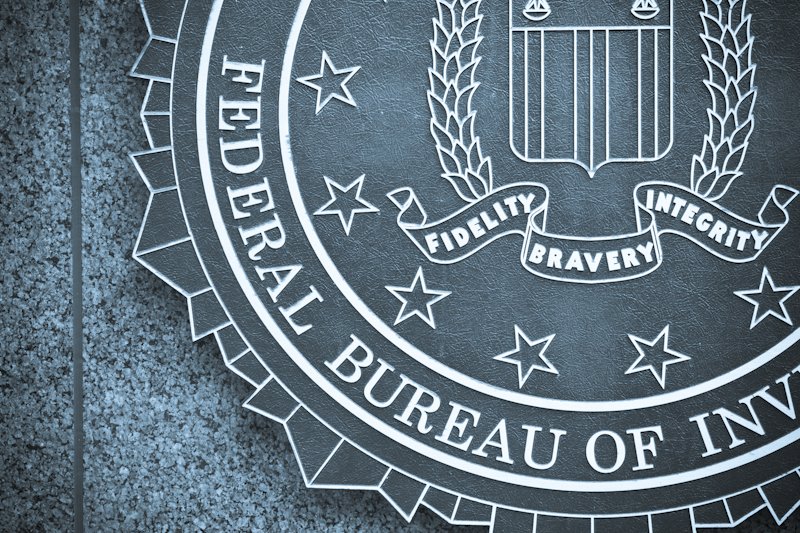
The FBI used controversial provisions of the Patriot Act to gather the records of website visitors without a warrant.
According to the New York Times, the specific provisions the US government is using to justify its actions can be found in Section 215 of the Patriot Act—which lapsed, along with two other bits of surveillance legislation, earlier this year.
Data collected about Americans includes who has visited specific web pages. Federal investigators stop short of collecting information about what keywords people search as the agency interprets the law as requiring a warrant to do so.
Section 215 was created in the wake of the September 11th attacks to grant federal investigators the power to obtain any business records. Because the legislation has lapsed, it can only be used lawfully for existing investigations.
Patrick Toomey, Senior Staff Attorney with the ACLU’s National Security Project, commented:
“Our web-browsing records are windows into some of the most sensitive information about our lives — revealing everything from our political views to potential medical conditions. The FBI should not be collecting this information without a warrant.
If Congress considers reviving Section 215 at all, it must prohibit the government from abusing this surveillance law to track the web-browsing activities of people in the United States.”
There have already been several cases of public anger over the perceived misuse of Section 215 to infringe civil liberties.
Among the first major outcries was during the Bush administration when civil liberties campaigners first brought attention to how the legislation could be abused.
Section 215 was then largely forgotten about by the wider public until 2013 when whistleblower Edward Snowden leaked details about how the National Security Agency (NSA) had been using it to collect bulk records of phone calls among other mass surveillance tasks.
The NSA’s phone program is said to have since been shuttered due to being deemed unlawful, violating the privacy of Americans, and reportedly failing to produce useful intelligence.
The Trump administration is pushing to renew Section 215 indefinitely. Democrats, meanwhile, are pushing for safeguards to protect individual liberties while ensuring intelligence agencies still have the power to investigate and gather information about genuine suspects.
House Speaker Nancy Pelosi has instructed two Democrats – Chairman of the House Intelligence Committee Representative Adam B. Schiff, and privacy advocate Representative Zoe Lofgren – to negotiate a narrower version of the Wyden-Daines amendment which fell one vote short of the supermajority it needed to be attached to the bill in the Senate.
The language used in the new proposal has been criticised as potentially allowing the data of Americans to be collected while investigating foreign threats; so long as that was not the intention. President Trump has urged Republicans to vote against the bill.
Section 215 will remain lapsed until negotiations can resume—which will now be under the incoming Biden administration.
(Image Credit: FBI by Dave Newman under CC BY 2.0 license)
 Interested in hearing industry leaders discuss subjects like this? Attend the co-located 5G Expo, IoT Tech Expo, Blockchain Expo, AI & Big Data Expo, and Cyber Security & Cloud Expo World Series with upcoming events in Silicon Valley, London, and Amsterdam.