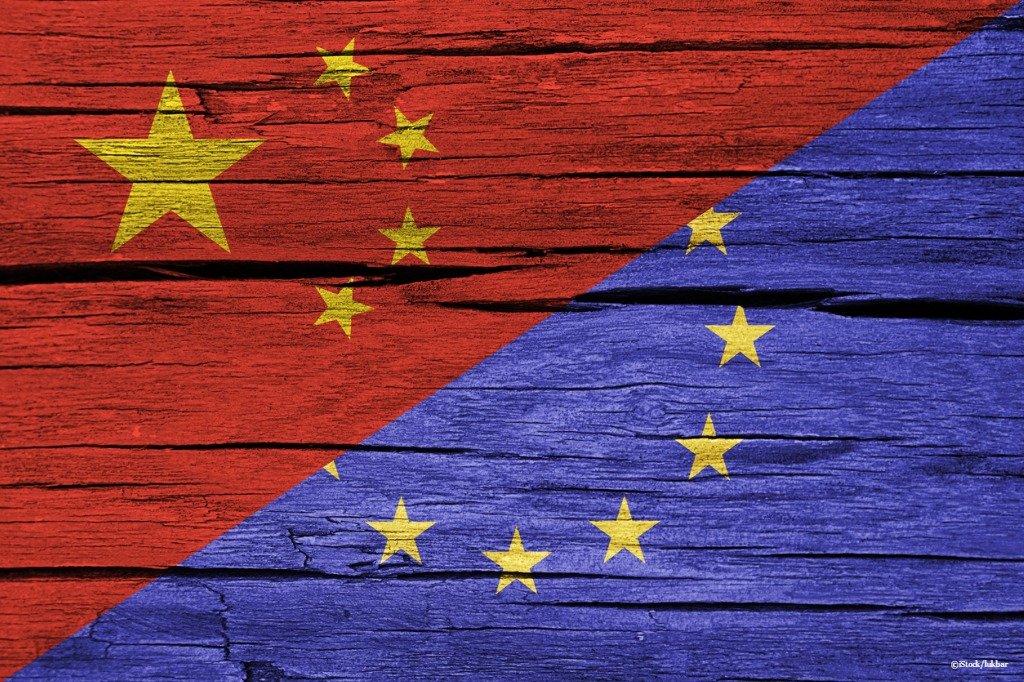
The EU Parliament has stated it has ‘deep concerns’ about Chinese 5G gear while German intelligence officials brand Huawei's gear untrustworthy.
Europe has been fairly open to Chinese telecoms vendors in the past, so companies such as Huawei were hopeful European countries wouldn't follow the likes of the US and Australia in banning equipment.
To be clear – the EU Parliament hasn't yet banned Chinese 5G equipment, but its comments today are pretty damning.
“MEPs express deep concern about recent allegations that 5G equipment may have embedded backdoors that would allow Chinese manufacturers and authorities to have unauthorised access to private and personal data and telecommunications in the EU,” said the announcement.
“They are also concerned that third-country equipment vendors might present a security risk for the EU, due to the laws of their country of origin obliging all enterprises to cooperate with the state in safeguarding a very broad definition of national security also outside their own country. In particular, the Chinese state security laws have triggered reactions in various countries, ranging from security assessments to outright bans.”
An EU-wide cybersecurity directive, known as the EU Cybersecurity Act, aims to certify kit which meets its standards.
Deemed Untrustworthy
German intelligence has similarly voiced criticism about Chinese 5G gear, this time focusing on Huawei specifically.
Representatives for the German foreign affairs ministry gave their views to a committee of lawmakers on Wednesday.
One noted that “past security-relevant events” involving the company are part of the reason Huawei is deemed untrustworthy. Another said it would be hard to work with a company that cooperates with its national secret service.
The point about past security-relevant events is particularly noteworthy. Critics of those calling for a ban, including Huawei itself, highlight that no evidence of wrongdoing has ever been published. Some believe evidence has been made available to intelligence services, but it's too sensitive to publicise.
Huawei maintains it does not pose a security threat and recently invited US journalists to view its facilities. The company also denies allegations it's controlled by Beijing and that it would be forced to comply with any state-sponsored attack or surveillance requests.
 Interested in hearing industry leaders discuss subjects like this and sharing their experiences? Attend the Cyber Security & Cloud Expo World Series with upcoming events in Silicon Valley, London, and Amsterdam to learn more.