
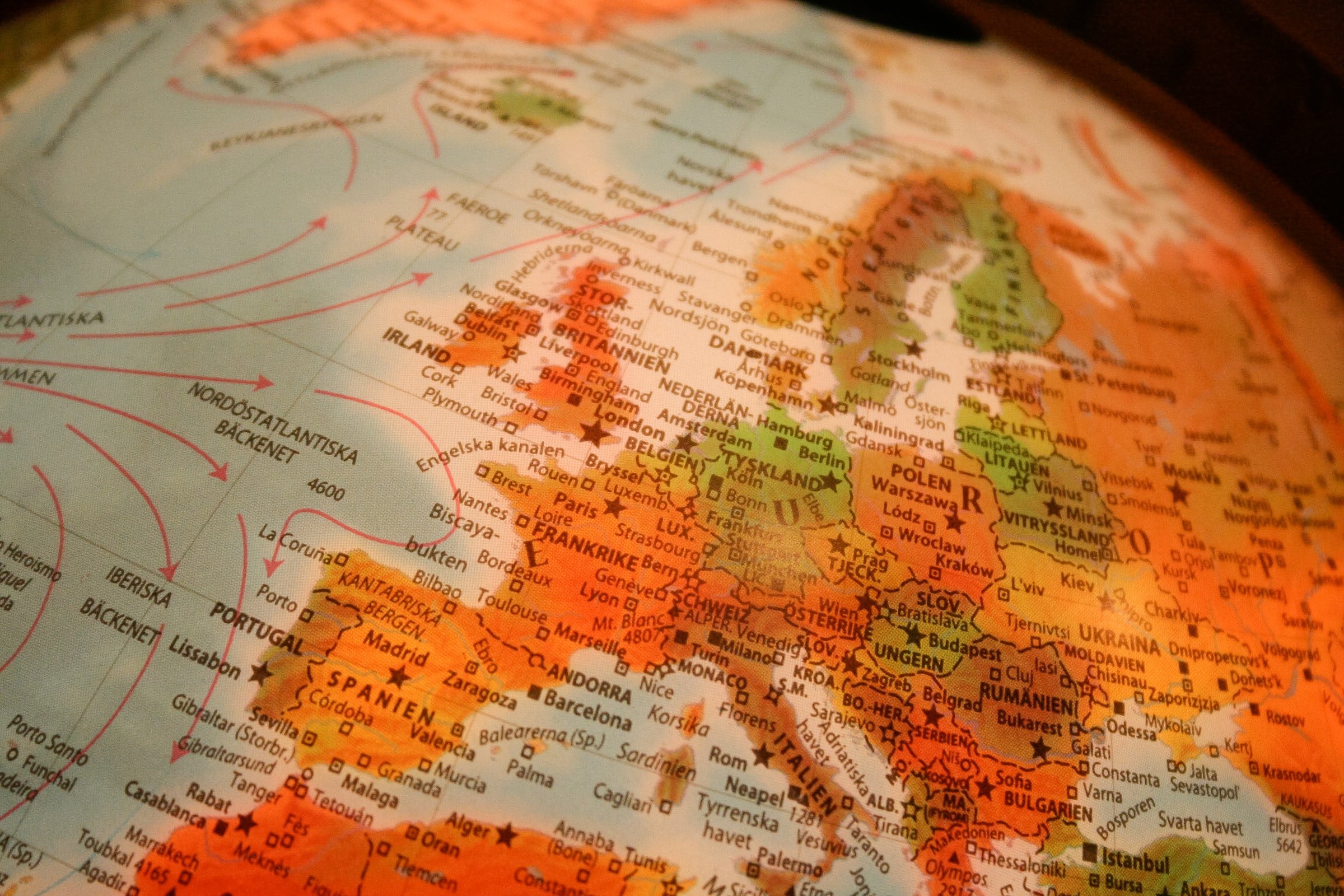
The GSMA warns that a slow 5G rollout in the EU compared to rival markets threatens the bloc’s “Digital Decade” goals.
In the 2022 Mobile Economy Europe report, the GSMA notes that 108 operators in 34 markets had launched commercial 5G services at the end of June. Six percent of Europeans are now enjoying 5G.
Norway is leading 5G adoption, with 16 percent of citizens using the latest mobile network technology. The GSMA notes that “positive momentum” is also seen in Switzerland (14%), Finland (13%), the UK (11%), and Germany (10%).
By 2025, the GSMA forecasts that the UK and Germany will leapfrog other European countries in 5G adoption at 61 percent and 59 percent respectively.
However, for comparison, South Korea is expected to reach 73 percent adoption in the same time period. Japan and the US are both expected to hit 68 percent by 2025.
Daniel Pataki, VP for Policy and Regulation, and Head of Europe at the GSMA, said:
“Europe is adopting 5G faster than ever before, but a greater focus on creating the right market conditions for infrastructure investment is needed to keep pace with other world markets.
This should include the implementation of the principle of fair contribution to network costs”.
5G network coverage across Europe is expected to reach 70 percent in 2025, up from 47 percent in 2021. This still leaves around one-third of Europeans without 5G coverage.
In South Korea and the US, the GSMA forecasts that two percent or less will remain without 5G coverage in 2025.
The GSMA’s report makes it clear that the EU could end up with a lost digital decade unless there’s a dramatic increase in the pace of the 5G rollout. Global uncertainties may create some hesitation around the significant investments it will take to achieve the EU’s ambitious targets, but robust connectivity will be vital for economic recovery.
“Two years into the EU’s Digital Decade, the connectivity target of ‘Gigabit for everyone, 5G everywhere’ has never felt more urgent,” wrote the GSMA in its report.
“The Digital Europe Programme, the Connecting Europe Facility and the recovery funds provided to EU Member States offer an opportunity for operators to partner with governments to improve connectivity across society and drive post-pandemic economic recovery across the region.”
(Photo by Calvin Hanson on Unsplash)

Looking to revamp your digital transformation strategy? Learn more about Digital Transformation Week taking place in Amsterdam, California, and London, and discover key strategies for making your digital efforts a success.


